≡ Menu
Hungarian Hot Wax Chillies

Hungarian Hot Wax Chillies: History & Origin

They are part of the Capsicum Annuum variety of chillies. As the name suggests, the Hungarian Hot Wax chillies originate from Hungary, where they have been cultivated for centuries to be used as part of the local cuisine. Hungarian cooking often features mild-to-medium chillies in stews, goulashes, and pickled side dishes. This pepper was developed/bred to withstand Hungary’s cooler growing season, while still providing a decent level of heat and rich flavour favoured by it’s people.

Scoville Rating & Taste Profile

The Scoville rating of the Hungarian Hot Wax chilli sits between 1,000 and 15,000 SHU, depending on growing conditions and ripeness. While some pods may carry a noticeable heat, many are quite mild—particularly when harvested early. Pods are typically 10-15cm (4″-6″) in length.

Flavour Notes:

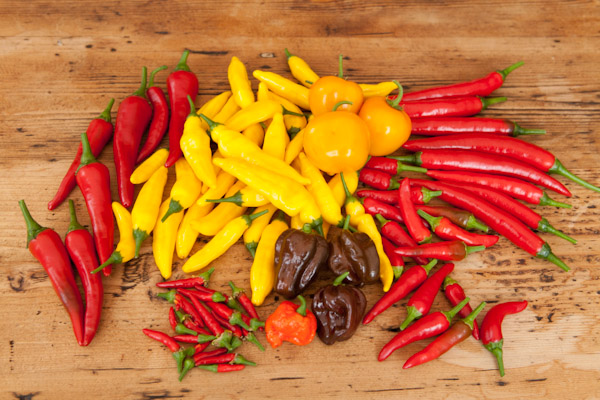
  • Unripe (yellow): Tangy, slightly sweet, with crisp texture
  • Mid-ripe (orange): Balanced sweetness with mellow heat
  • Fully ripe (red): Rich, fruity flavour, hotter and more aromatic

Growing Tips Cooler Climates

Hungarian Hot Wax chillies are particularly suitable for the UK gardener because they perform well in shorter, cooler summers. Being an Annuum variety they tend to be fast growing and less demanding than other super hot verieties. This makes them a great choice for new growers.

  • Use a greenhouse or polytunnel in northern areas to boost growing temperatures
  • Pinch out the growing tips to encourage bushiness
  • Protect from wind if grown outdoors
  • Use mulch to conserve moisture and suppress weeds

For more details check out our chilli growing guide.

Hungarian Hot Wax

Hungarian Hot Wax Chilli in the Kitchen

This pepper’s moderate heat and pleasant sweetness make it a wonderful ingredient in a wide range of dishes. It’s commonly used in:

  • Pickling
  • Stuffing
  • Grilling
  • Stir-fries
  • Salads
  • Goulashes and stews

It is this versatility that makes it one of the most common chillies to grow. Let’s look at a few simple recipe ideas to get you started.

Buy Hungarian Hot Wax Chilli seeds here.

3 Simple Recipes Using Hungarian Hot Wax Chillies

1. Pickled Hungarian Hot Wax Chillies

Ingredients:

  • 10 Hungarian Hot Wax chillies (sliced into rings)
  • 1 cup white vinegar
  • 1 cup water
  • 1 tbsp sugar
  • 1 tbsp salt
  • 2 garlic cloves (crushed)
  • 1 tsp mustard seeds
  • Optional: bay leaf, black peppercorns

Instructions:

  1. Heat vinegar, water, salt, and sugar in a pan until dissolved.
  2. Pack sliced chillies into a sterilised jar with garlic and mustard seeds.
  3. Pour the hot liquid over the chillies.
  4. Seal the jar and store in the fridge for at least 24 hours before eating.

These keep for several weeks and are perfect on sandwiches or alongside cold meats.


2. Stuffed Hungarian Hot Wax Chillies

Ingredients:

  • 6 large chillies, halved lengthwise and deseeded
  • 200g cream cheese
  • 50g cheddar (grated)
  • 1 garlic clove (minced)
  • Salt and pepper
  • Optional: chopped chives or parsley

Instructions:

  1. Preheat oven to 180°C (350°F).
  2. Mix cheeses, garlic, herbs, and seasoning in a bowl.
  3. Spoon mixture into each chilli half.
  4. Place on a baking tray and bake for 15–20 minutes until golden and bubbly.

A perfect side dish or BBQ appetiser!


3. Chilli and Potato Fry-Up (Hungarian Style)

Ingredients:

  • 3 Hungarian Hot Wax chillies (sliced)
  • 2 medium potatoes (boiled and diced)
  • 1 onion (sliced)
  • 1 tbsp sunflower oil
  • Salt, pepper, paprika

Instructions:

  1. Heat oil in a pan and sauté onions until translucent.
  2. Add chillies and cook for 3–5 minutes.
  3. Add potatoes, season with salt, pepper, and a pinch of paprika.
  4. Cook until crispy and serve hot.

This rustic dish pairs well with eggs or grilled sausages

Final Thoughts on the Hungarian Hot Wax Peppers

Whether you’re new to chillies or a seasoned grower, the Hungarian Hot Wax chilli is a rewarding plant that delivers beauty, productivity, and flavour. It’s adaptable to different growing conditions, highly productive, and offers endless culinary uses—from pickles to stuffing, grilling to jams.

If you’re looking to add one chilli variety to your garden this year, make it the Hungarian Hot Wax – it is as reliable as it is delicious.

0 comments

Growing chillies in a greenhouse is a fantastic way to ensure a bountiful harvest, no matter the weather. Whether you’re a beginner or a seasoned gardener, cultivating chillies in a controlled environment can lead to healthier plants and earlier harvests compared to outdoor growing. In this guide, we wll cover everything from choosing the right varieties to troubleshooting common problems, ensuring you have all the knowledge to grow chillies successfully under glass.

Growing Chillies in a Greenhouse

Why Grow Chillies in a Greenhouse?

A greenhouse will provide a more stable environment compared to growing outdoors. Plants will be protected from lower night time temperatures. This is particularly helpful to chilli plants in spring and autumn. As a result growing in a greenhouse effectively extends the growing season of your plants which should mean earlier and bigger harvests.

Benefits of Greenhouse Grown Chillies:

  • Longer growing season – Start seeds earlier and harvest later.
  • Protection from extreme weather – Reduced exposure to extreme weather (high winds, heavy rain etc) means your pepper plants are more likely to thrive.
  • Improved temperature control – Chillies thrive in warmth, and a greenhouse provides consistent conditions.
  • Better fruit production – Controlled conditions tend to lead to higher yields and more intense flavours.

Choosing the Right Chilli Varieties

The first step to a successful chilli harvest is selecting the right varieties. Some chillies thrive better in greenhouse conditions than others. Here are a few popular choices:

  • Jalapeño – A versatile, moderately hot chilli ideal for fresh use or pickling.
  • Habanero – Extremely spicy with a fruity flavour, perfect for hot sauces.
  • Cayenne – Great for drying and making chilli powder.
  • Padron – Mild when young, but some can be surprisingly hot.
  • Scotch Bonnet – A fiery chilli with a distinctive Caribbean flavour.
  • Anaheim – A milder variety that is excellent for roasting.

Preparing Your Greenhouse for Chillies

Before growing chillies in a greenhouse, ensure your greenhouse is ready to provide the best conditions for growth. Here’s what you need to do:

Temperature and Humidity Control

Chillies prefer warm temperatures, ideally between 20-30°C (68-86°F). That said greenhouses can easily get too hot during summer which can scorch or stress plants. To avoid this you sould consider using shading or ventilation.

  • Use automatic vents and/or fans to regulate heat.
  • Consider shade netting to prevent scorching. I like to hang some horticultural fleece on the inside of the roof of the greenhouse to reduce the heat from midday sun a little inside the greenhouse.
  • Keep humidity moderate, around 50-70%, to prevent fungal diseases. Always keep your greenhouse doors open unless severe weather is expected to promote good airflow.
  • Always keep the greenhouse tidy. Remove and dispose of dead plants/leaves, wipe down dirty surfaces and keep the greenhouse clean at all times.
  • Consider using a heater to keep the overnight temperature greater than 10 degrees celcius

Soil and Containers

  • Use well-draining soil rich in organic matter.
  • Grow chillies in pots, grow bags, or raised beds to manage space effectively.
  • Add perlite or sand to improve drainage and aeration.

Related: See our guide to chilli potting mixes

Watering and Feeding

Chillies need consistent moisture but hate waterlogged roots. Growing peppers in a greenhouse often required more frequent watering than growing outside. Follow these tips:

  • Water deeply but allow the soil to dry out between watering.
  • Use rainwater if possible, as tap water can be too alkaline.
  • Feed regulalry with a high-potassium fertiliser (like tomato feed) once flowers appear.
  • Pot grown chillies will dry out quicker than those planted in the ground. CHeck twice a day of possible to ensure they do not dry out too much in warm weather.

Growing Chillies from Seeds

Starting chillies from seeds gives you access to a wide range of varieties. Here’s how to do it:

Sowing Seeds

  1. Start seeds indoors 8-10 weeks before the last frost.
  2. Use seed trays or small pots filled with fine seed compost.
  3. Sow seeds 1cm deep, cover lightly, and mist with water.
  4. Keep them in a warm location (20-25°C / 68-77°F) or use a heated propagator.

Germination and Transplanting

  • Seeds typically germinate within 7-14 days.
  • Once seedlings have 2-3 true leaves, transplant them into larger pots.
  • Harden off young plants before moving them permanently into the greenhouse.

Related: Our detailed guide to germinating chilli seeds.

Caring for Your Chilli Plants

Once your plants are established, proper care will ensure a good harvest.

Supporting Growth

  • Stake tall varieties to prevent branches from breaking under the weight of fruit.
  • Pinch out the growing tips when plants reach 30cm (12 inches) to encourage bushier growth.

Pollination

Greenhouses limit natural pollination. To help:

  • Gently shake flowers or use a small paintbrush to hand-pollinate.
  • Keep the greenhouse door open during day time where possible to allow natural pollinators inside.

Common Pests and Diseases

While greenhouses offer protection, some pests and diseases can still pose problems.

Pests:

  • Aphids – Use neem oil or introduce ladybirds.
  • Spider mites – Keep humidity up and mist leaves.
  • Whiteflies – Use yellow sticky traps.

Diseases:

  • Blossom end rot – Caused by calcium deficiency; maintain consistent watering.
  • Powdery mildew – Improve ventilation and avoid overhead watering.

Related: Read our detailed article on pests and diseases.

Harvesting and Storing Chillies

Chillies are ready to harvest once they reach their full size and colour. This can take anywhere from 60-150 days depending on the variety.

Best Practices for Harvesting:

  • Use sharp scissors or pruners to avoid damaging the plant.
  • Regular harvesting encourages more fruit production.
  • Green chillies can be picked early for a milder flavour, while red chillies are fully matured and spicier.

Storing Your Chillies

  • Fresh – Keep in the fridge for up to two weeks.
  • Drying – String them up in a warm, dry place.
  • Freezing – Store whole or chopped in airtight containers.
  • Pickling – Preserve in vinegar for a tangy addition to dishes.

FAQs About Growing Chillies in a Greenhouse

Q: How long does it take for chillies to grow in a greenhouse? A: From seed to harvest, it usually takes 3-5 months depending on the variety and conditions.

Q: Can I grow chillies in an unheated greenhouse? A: Yes, but you may need to start seeds indoors (in your house) and move plants in to the greenhouse when temperatures rise. Here in the UK I typically aim to start my chilli seeds indoors in January or February.

Q: Why are my chilli flowers dropping off? A: This is often due to temperature fluctuations, overwatering, or lack of pollination. In a greenhouse this can often bedue to too high temperatures during the day. To avoid this ensure god ventilaion and use greenhouse shading.

Q: Can I overwinter chilli plants in my greenhouse? A: Yes! Cut them back, reduce watering, and keep them above 10°C (50°F). If you do not heat your greenhouse over winter you can move the plants to an unheated conservatory or a col windowsill in the house.

Final Tips for Success

  • Choose varieties suited for greenhouse growing.
  • Maintain warm, stable temperatures and good ventilation.
  • Water consistently but avoid overwatering.
  • Feed with a high-potassium fertiliser once flowering starts.
  • Hand-pollinate flowers if needed for better fruiting.
  • Harvest regularly to encourage more fruit.

Growing chillies in a greenhouse is rewarding and relatively easy with the right care. By following these tips, you’ll enjoy a plentiful harvest of fresh, homegrown chillies that can be used in everything from fresh salsas to fiery hot sauces!

0 comments

If you are a fan of adding a spicy kick to your meals, this simple pickled jalapeno recipe is the best. They’re incredibly easy to make, requiring just a few simple ingredients and a bit of time.

Whether you’re topping off tacos, burgers, or nachos, or just want a zesty side snack, these pickled jalapeños offer the perfect blend of heat and tang. Plus, making them at home allows you to control the spice level and flavor exactly to your liking.

After being away for a week or so on returning to base, there lurking in the quadgrows outside was anoher batch of ripe Jalapenos.

Jalapenos harvested in December
Homegrown Jalapenos

You can see in the picture above that a few of the jalapeños have a crack like markings on them. Don’t worry these are perfectly normal and nothing to worry about.

The flesh nature of Jalapenos make them ideally for pickling and storing in cans/jars.

Simple Pickled Jalapeno Ingredients:

  • 15 x Jalapeno peppers
  • 3 x cups of white vinegar
  • 3 x cups of water
  • 1/2 cup of sugar
  • 2 x tablespoons of salt
  • 1 teaspoon whole black peppercorns
  • 1/2 teaspoon dried oregano
  • 1 bay leaf

Pickled Jalapeno Method

  1. Wash and slice your jalapeno chillies into rings about 2-3mm wide and set aside.
  2. Place the water, vinegar, sugar and salt into a saucepan. Stir to disolve the salt/sugar while bringing to the boil.
  3. Add the sliced jalapenos and maintain a gentle boil
  4. After a few minutes turn off the heat and leave the peppers to steep in the liquid for 15 minutes, allowing them to soften slightly.
  5. Spoon the jalapenos into steralised jars then cover them in th epickling liquid before aloowing them to cool.
  6. Store the jars in a cool dark place.
  7. Once opened store in the fridge and consunme within 1 month.

That’s it! With just a handful of ingredients and a little effort, you’ve created a batch of deliciously spicy pickled jalapeños that are sure to elevate your favorite dishes. These zesty peppers can be stored in the fridge, ready to add a burst of flavor whenever you need it. Enjoy experimenting with different ways to use them, and don’t be surprised if you find yourself making another batch soon!

0 comments